

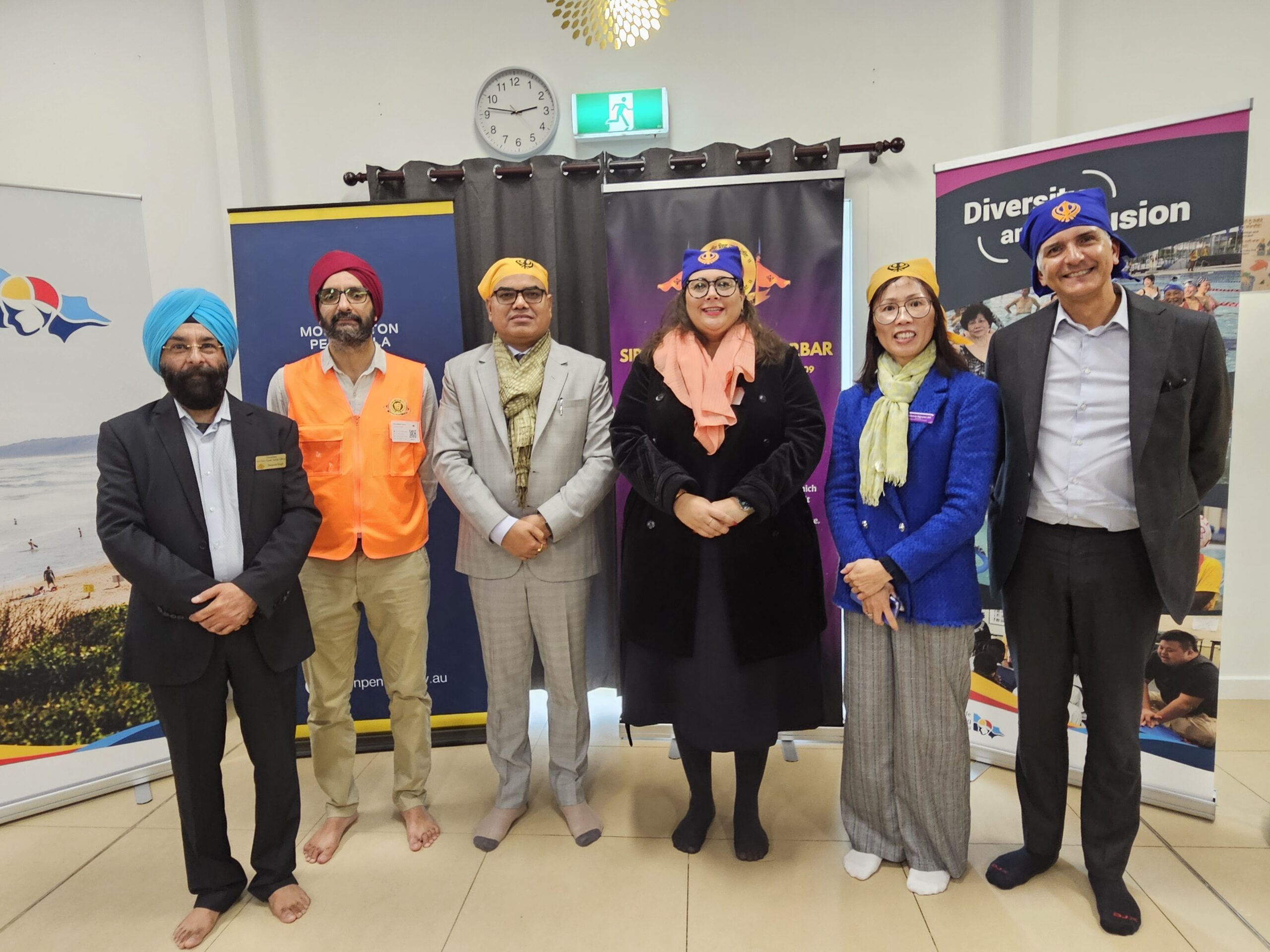
It was a Monday afternoon, and yet more than 90 people packed the room. That alone said something. Organiser and community leader Dr Harpreet Singh Kandra couldn’t hide his surprise, nor his gratitude. “I didn’t expect 58 organisations to show up on a weekday,” he told the crowd. “But that’s what happens when the cause is bigger than all of us. This is about making drownings a history.”
Held to mark World Drowning Prevention Day (25 July), the event brought together multicultural community leaders, MPs, researchers, and safety organisations to address an issue that’s rarely in the headlines, but heartbreakingly real for many families: deaths in water.
Kandra, who leads a number of innovative initiatives through Gurdwara Siri Guru Nanak Darbar, Officer, reminded the audience that water-related tragedies often strike the newest members of society. “We are a small organisation, just over six years old,” he said, “but with every session, we hope to build a safer, more informed community. It’s not just about swimming, it’s about survival.”
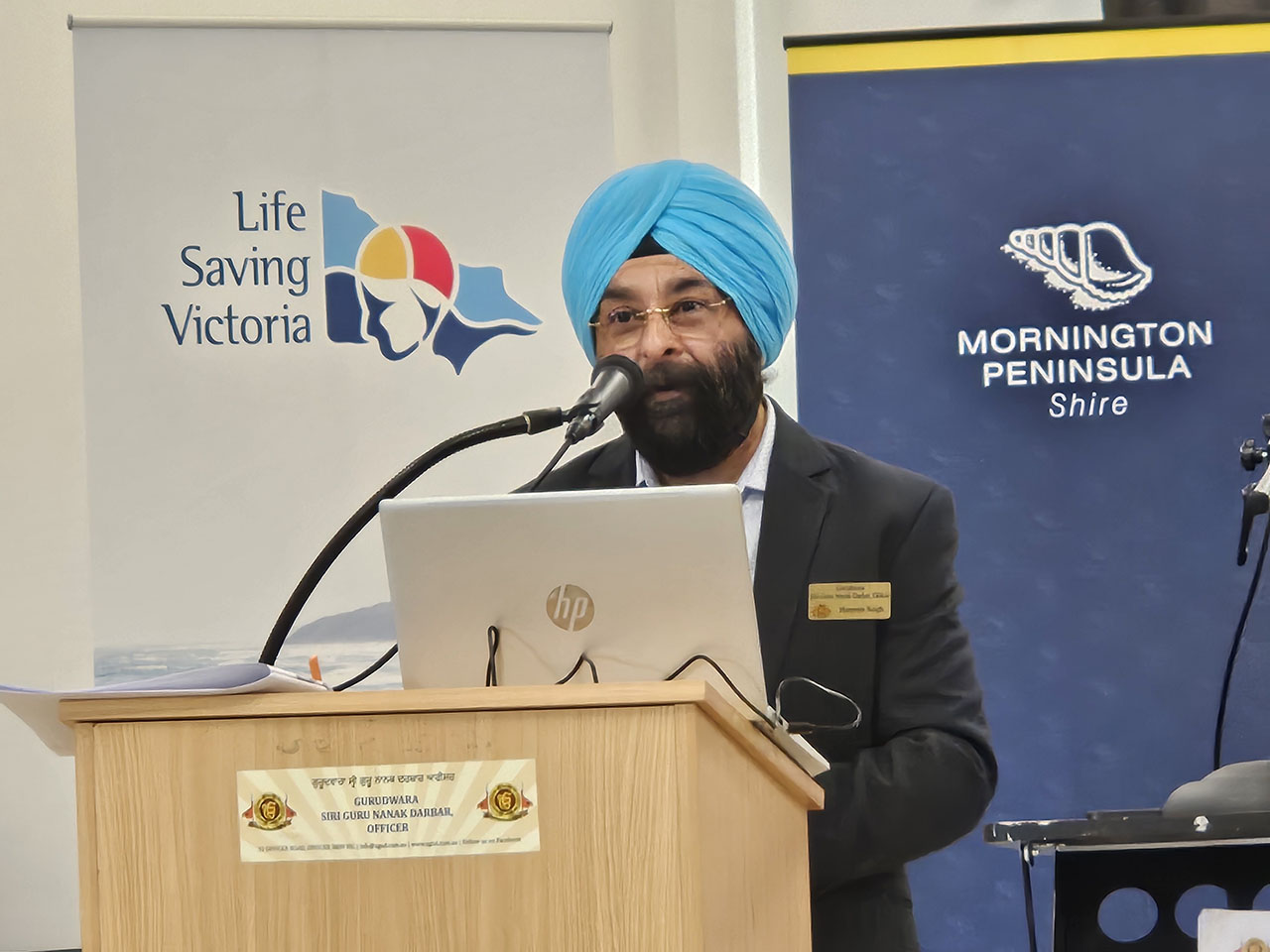
The message was echoed by Sheena Watt, Parliamentary Secretary for Emergency Services, who recently returned from a trip to Kerala, India, a place she described as “breathtaking and surrounded by water.” Yet, what struck her most wasn’t just the scenery, but the difference in how locals engaged with water.
“I was stunned that so few locals swim, despite those beautiful beaches,” Watt said. “And then I thought of the tragedies here. People travel thousands of kilometres to make Australia home. But when they arrive, some don’t understand the risks in our waters. Too many lives have been lost.”
Her words hung heavy in the room. “Every drowning is a tragedy. One life lost is one too many,” she said.
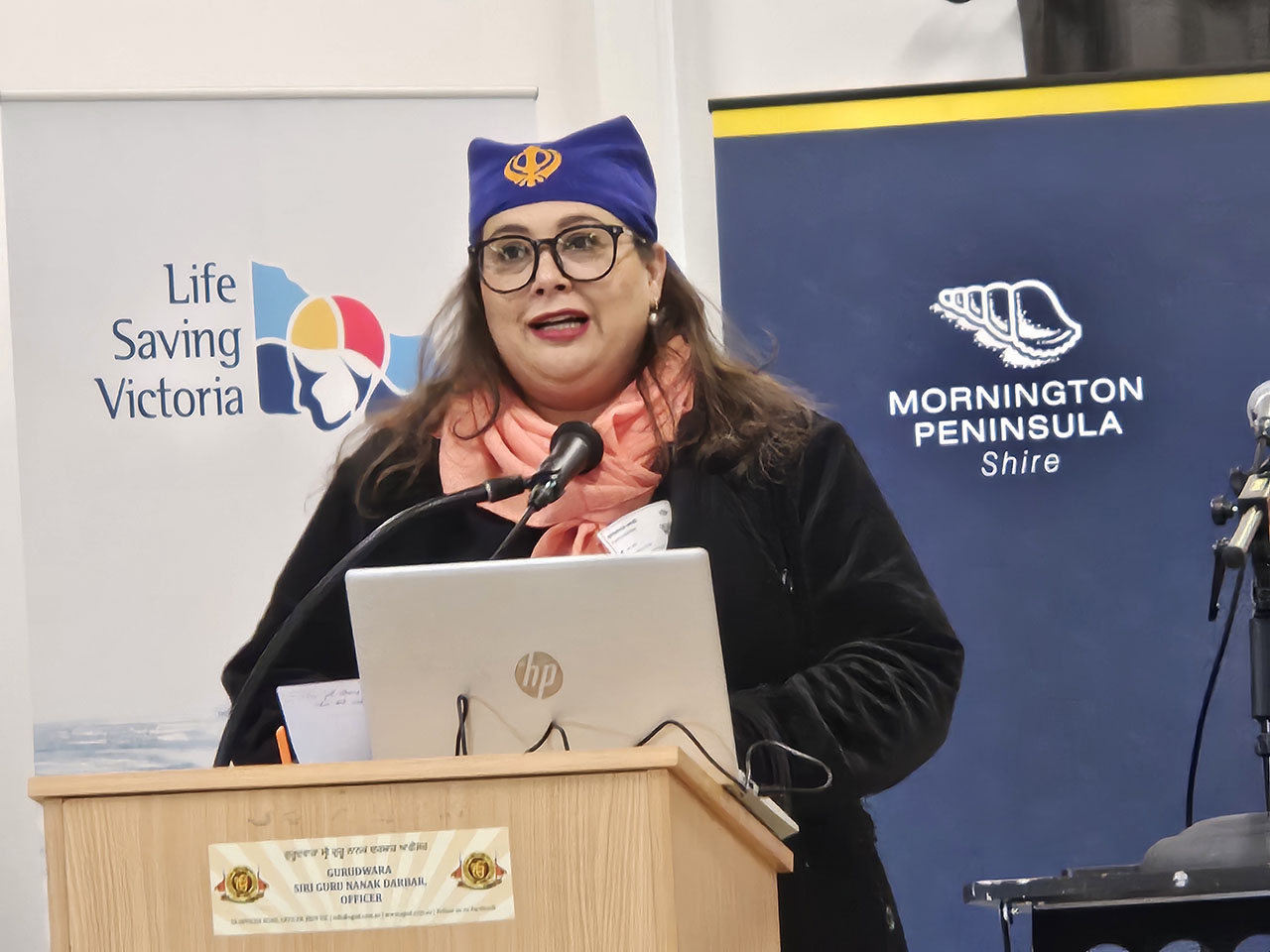
The statistics are stark. Stacey Pidgeon, National Manager—Research and Policy, Royal Life Saving Society, Australia (RLSSA) informed that 2762 lives have been lost to drownings in the last 10 years and 933 of those drowned were born overseas (about 1/3rd).
According to Dr Bernadette Matthews, Head of Research at Life Saving Victoria (LSV)- “People born overseas are one and a half times more likely to drown,” she said. “Most of these incidents occur in open water, rivers, beaches, and involve activities like fishing or wading.”
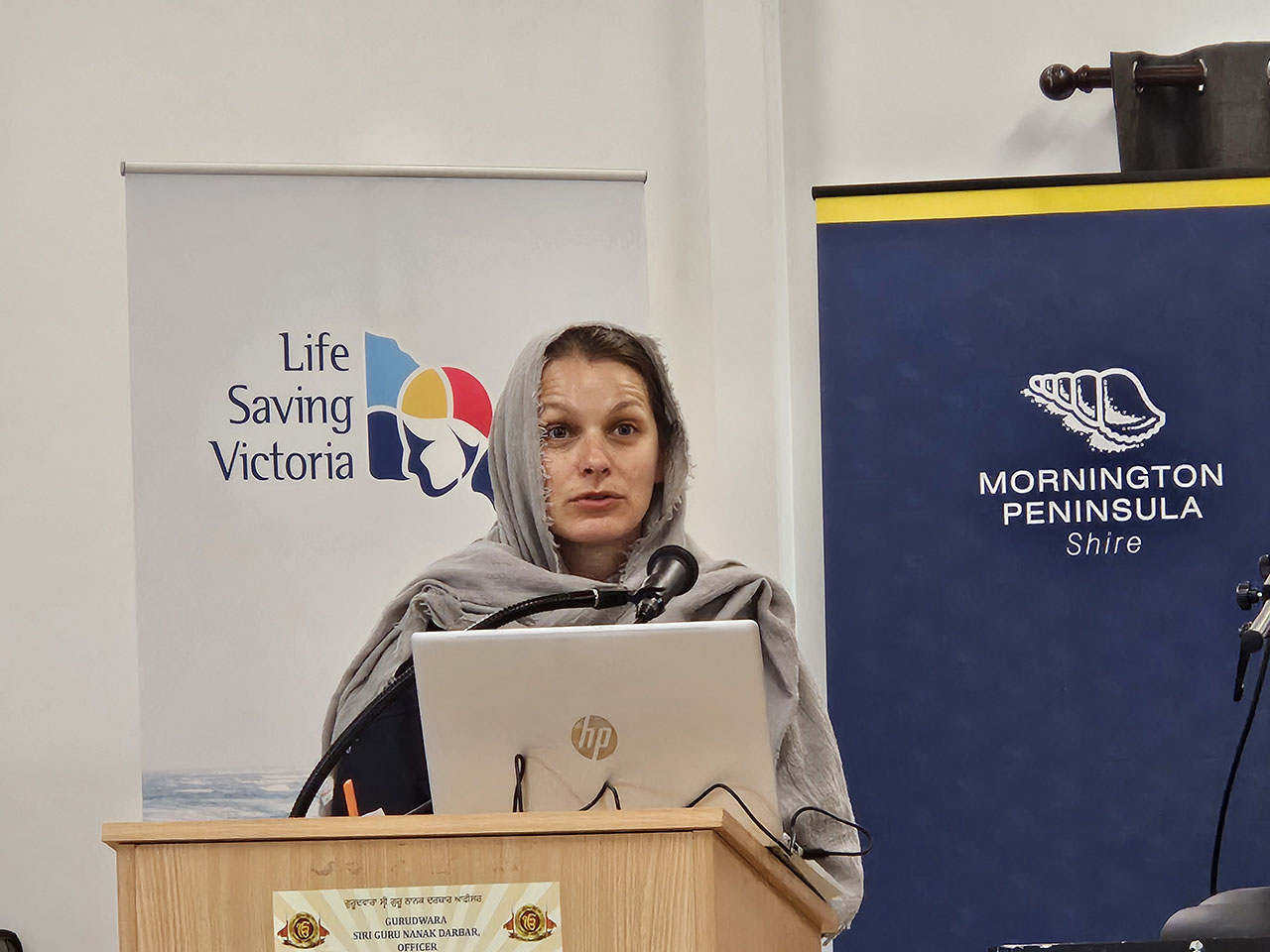
Representatives of LSV and RLSSA stressed the importance of tailored outreach. “We reach over 20,000 participants each year across Victoria, with a strong focus on multicultural pathways,” Matthews said. “Some even go on to become swim instructors or join emergency services. That’s the real impact.”
Gary Maas, MP for Narre Warren South, said the program exemplified how government and community can work hand in hand. “Many of us come from landlocked countries. We arrive in Australia thinking the beach will be simple fun. But it’s not that simple. We assume we know how to swim until we’re in real trouble.”
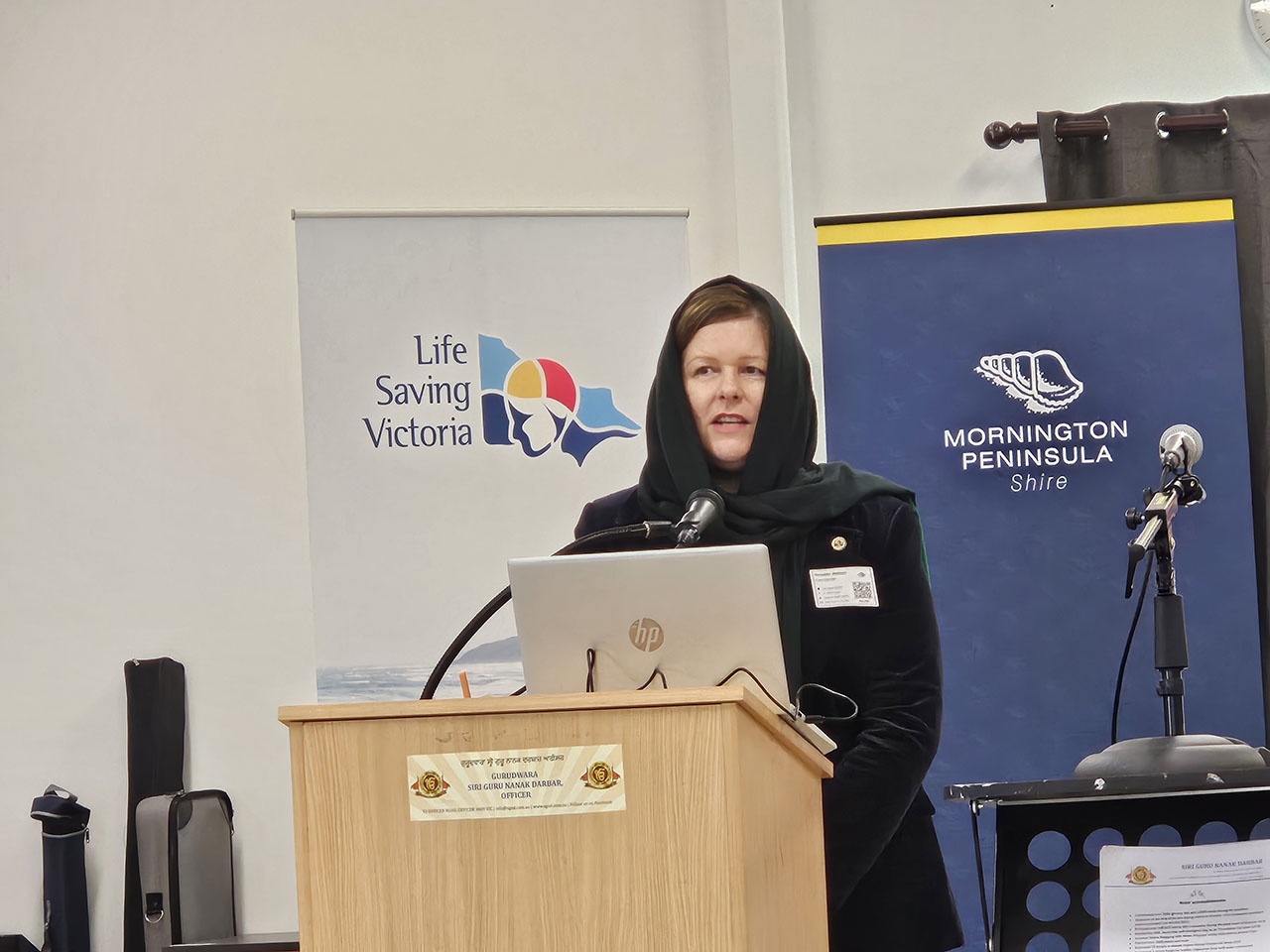
He called for broader understanding and education. “Tragedies can be prevented. It takes effort from government, schools, community groups and individuals. That’s why events like this are so vital.”
The data presented by Royal Life Saving Society’s Stacey Pidgeon added national context. She pointed to a worrying rise in drownings among people from non-English speaking backgrounds. “The risk factors are layered such as lack of familiarity with aquatic environments, poor swimming skills, and limited awareness of local water conditions.”
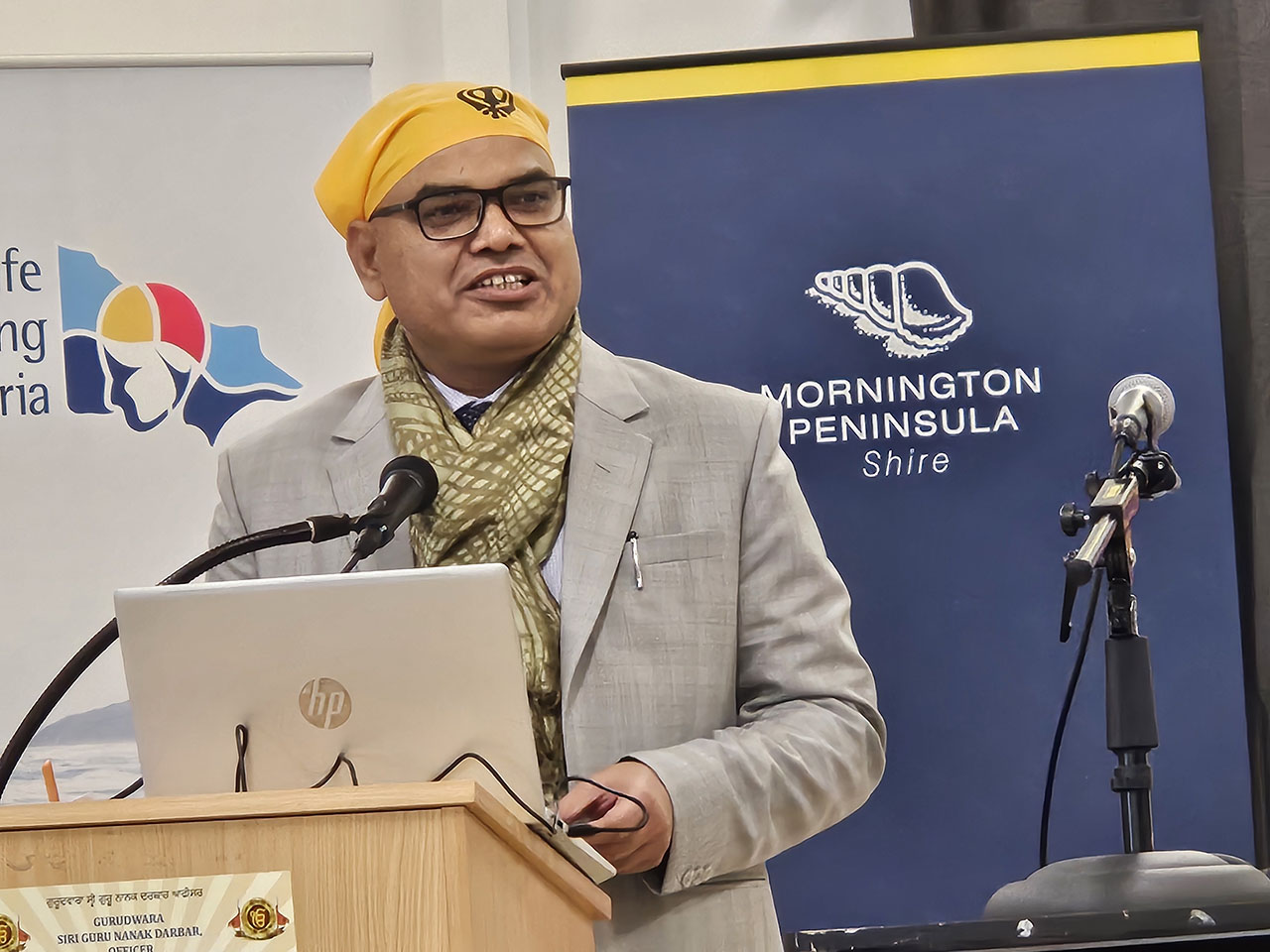
Yet there’s cause for optimism. “There are positive stories,” Pidgeon said. “We’re seeing growing numbers in beach safety courses and water safety sessions in language. But we need sustained efforts.”
Among those driving this work is Dr Sushil Kumar, India’s Consul General in Melbourne. “We have beautiful coastlines, rivers, and pools in Australia. But these waters demand respect,” he said. “Sadly, international students and recent migrants are overrepresented in drowning cases. The consulate has been working with universities, Victoria Police, and Life Saving Victoria to change that.”
He singled out Kandra’s ongoing commitment. “He has been a pillar in organising events from climate change workshops to environmental awareness to safety campaigns. Today’s event brings together multiple faiths, communities, and agencies. That’s true service.”
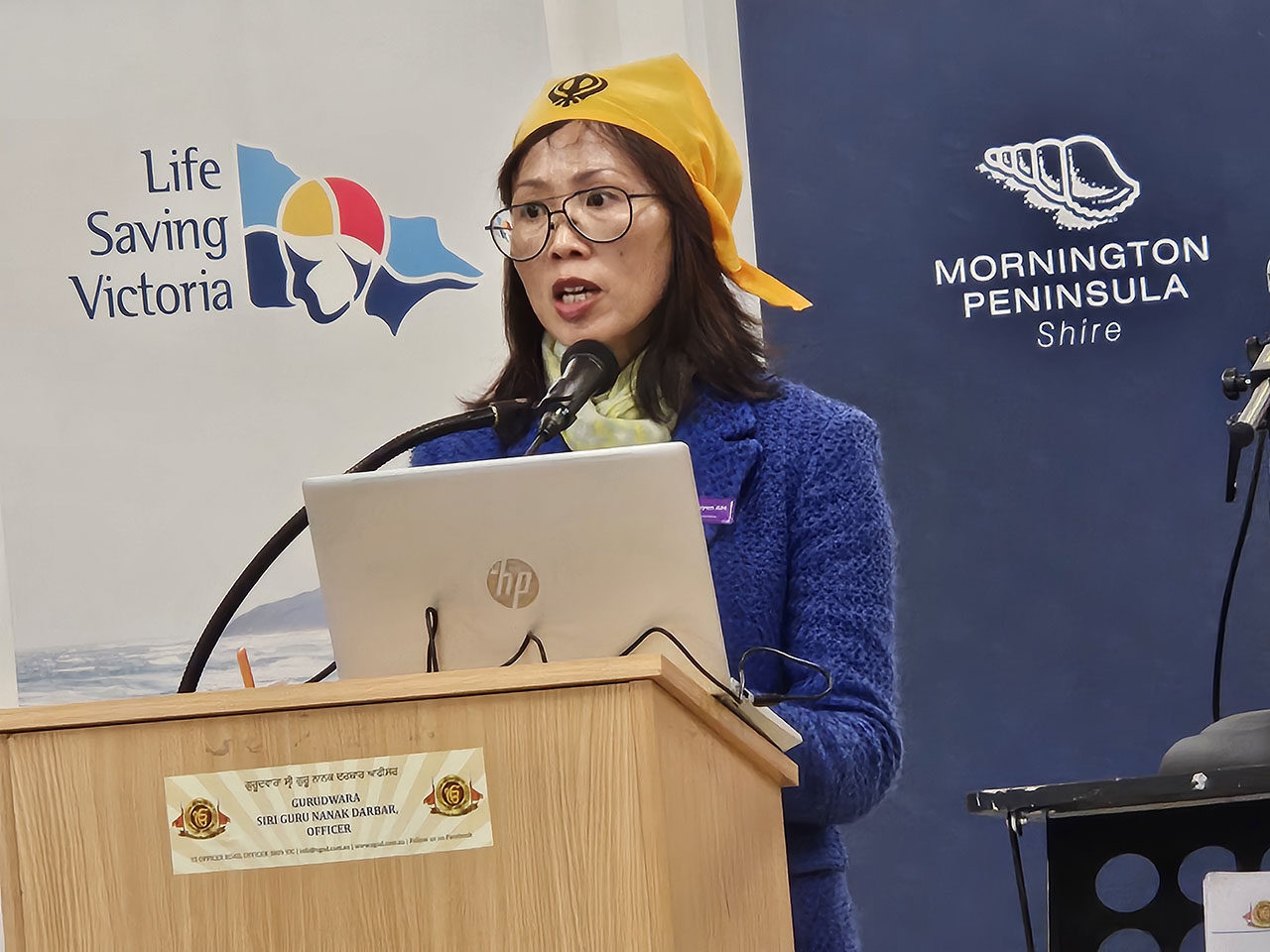
Viv Nguyen, Chair of the Victorian Multicultural Commission, said the turnout showed the strength of collaboration. “So many communities came together today — African, Indian, Afghan, Pakistan, Sri Lanka, Vietnamese, Chinese, and more. This is how we build shared understanding and sustain a diverse Victoria.”
She noted that multiculturalism in Victoria is not passive, it must be defended and actively maintained. “It’s not just about co-existing. It’s about living well, together, and supporting one another.”
The event also highlighted the importance of education beyond awareness. “We must equip communities with skills, not just knowledge,” said Kandra. “If someone can’t swim, let’s teach them. If someone’s unsure of the rules, let’s guide them.”
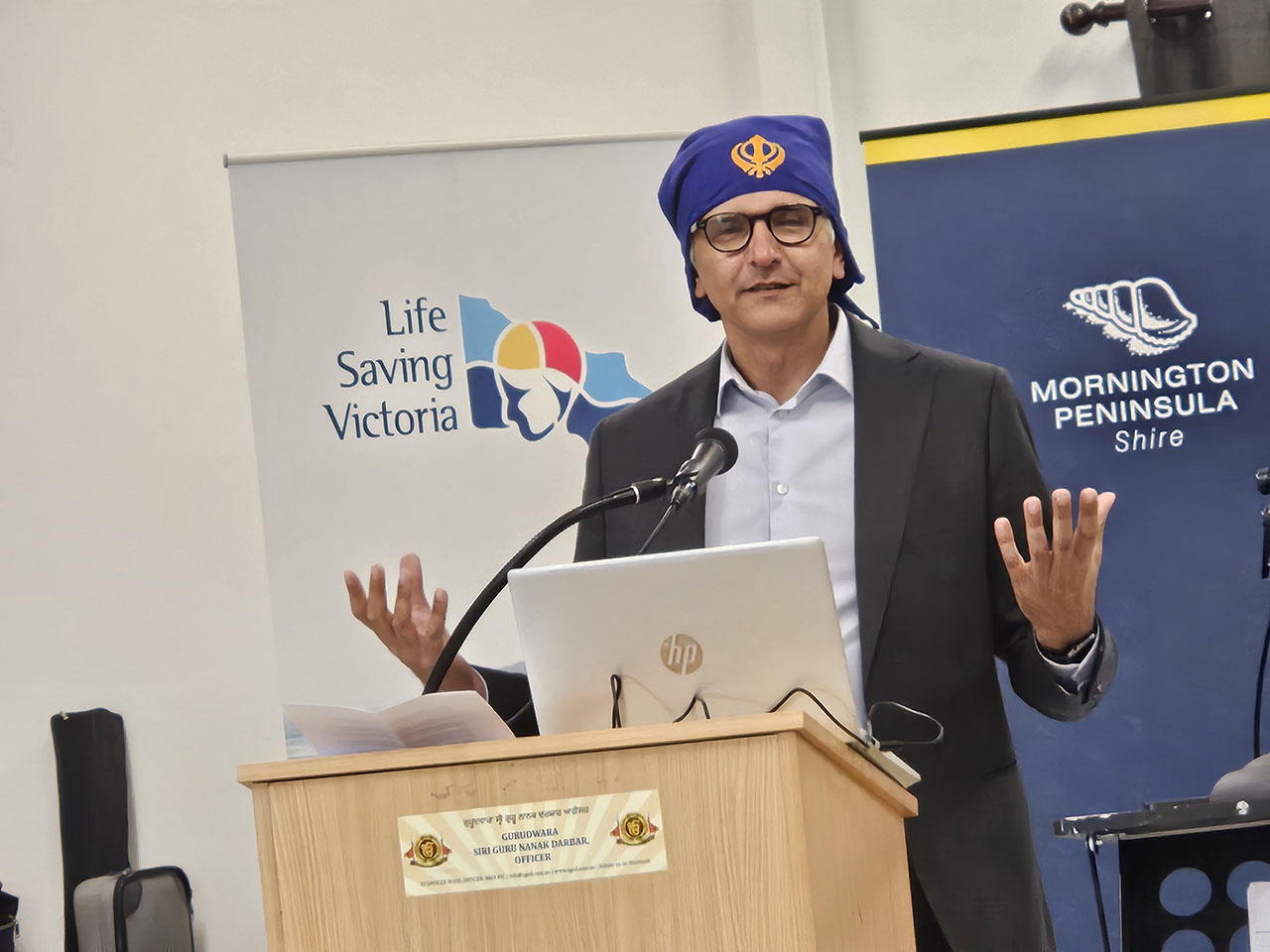
With young volunteers, community elders, faith leaders and emergency service personnel all in the room, the atmosphere felt more like a mission briefing than a seminar. There was urgency, but also unity.
As the session wound down, Kandra reminded everyone of the program’s roots. “We started small. But with each workshop, with each shared story, we grow stronger. Our goal is simple: zero drownings. And we will get there.”
For the families who’ve lost loved ones, that’s a promise that can’t come soon enough. For the rest of us, it’s a call to action.
Connect with Indira Laisram on X
Support independent community journalism. Support The Indian Sun.

Follow The Indian Sun on X | Instagram | Facebook

Support Independent Community Journalism
Dear Reader,The Indian Sun exists for one reason: to tell stories that might otherwise go unheard.
We report on local councils, state politics, small businesses and cultural festivals. We focus on the Indian diaspora and the wider multicultural community with care, balance and accountability. We publish in print and online, send regular newsletters and produce video content. We also run media training programs to help community organisations share their own stories.
We operate independently.
Community journalism does not have the backing of large media corporations. Advertising revenue fluctuates. Platform algorithms change. Costs continue to rise. Yet the need for credible, grounded reporting in a multicultural Australia has never been greater.
When you support The Indian Sun, you support:
• Independent reporting on issues affecting migrant communities
• Coverage of local and state decisions that shape daily life
• A platform for small businesses and community groups
• Media training that builds skills within the community
• Journalism accountable to readers
We cannot cover everything, but we work to cover what matters.
If you value thoughtful reporting that reflects Australia’s diversity, we invite you to contribute. Every donation helps us maintain the quality and consistency of our work.
Please consider making a contribution today.
Thank you for your support.
The Indian Sun Team


