

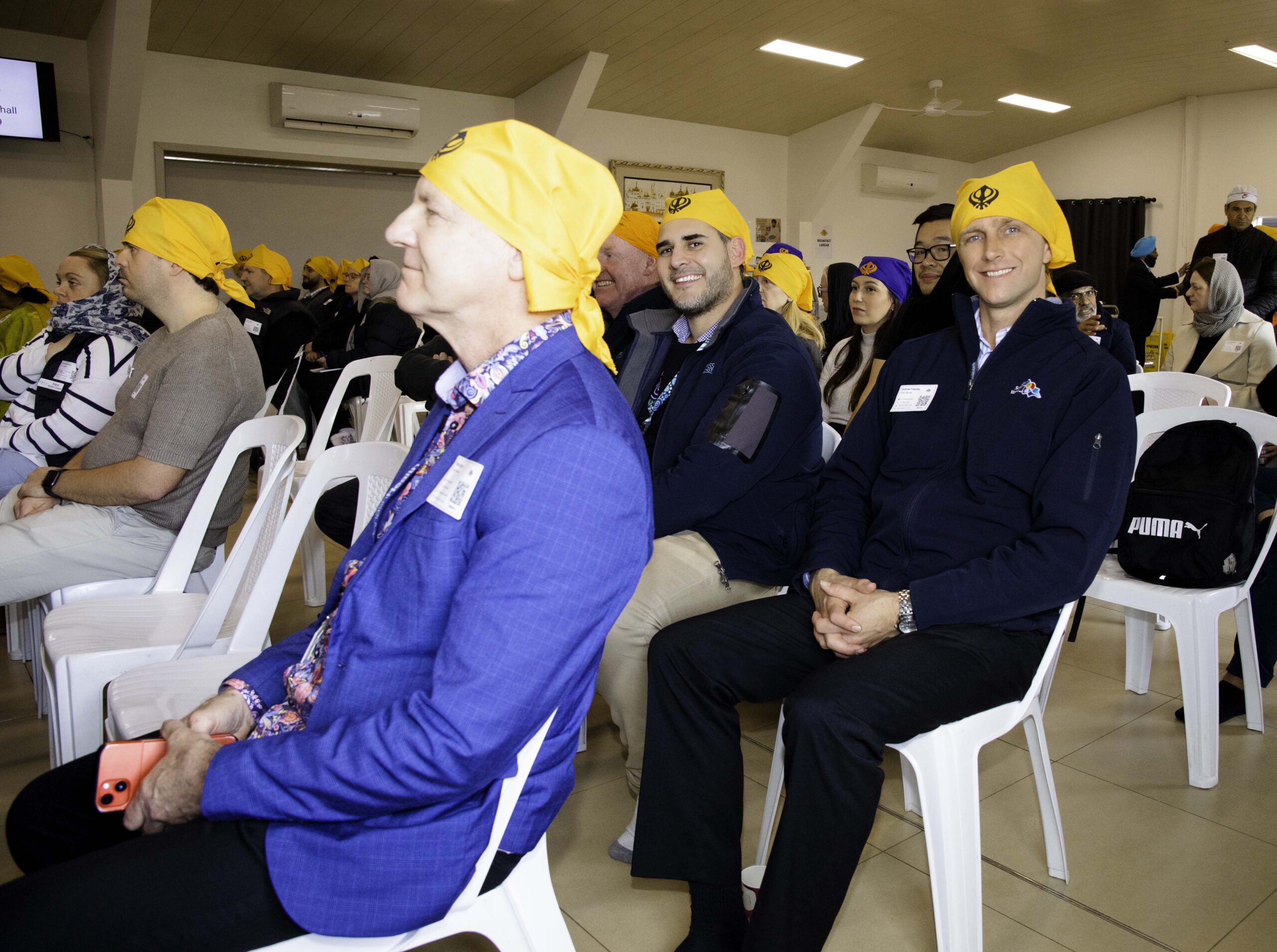
In a powerful display of unity and commitment to water safety, multicultural communities, lifesaving organisations, and local community leaders from about 55 organisations gathered at the Officer Gurdwara to mark World Drowning Prevention Day (25 July).
The event, held on July 28, highlighted the urgent need for drowning prevention initiatives, particularly among migrant and refugee populations disproportionately affected by water-related tragedies.
A call to action
The day featured panel discussions, personal testimonies, and strategic planning to address drowning risks in Victoria. Speakers emphasised the importance of education, accessible swimming programs, and community engagement to reduce fatalities.
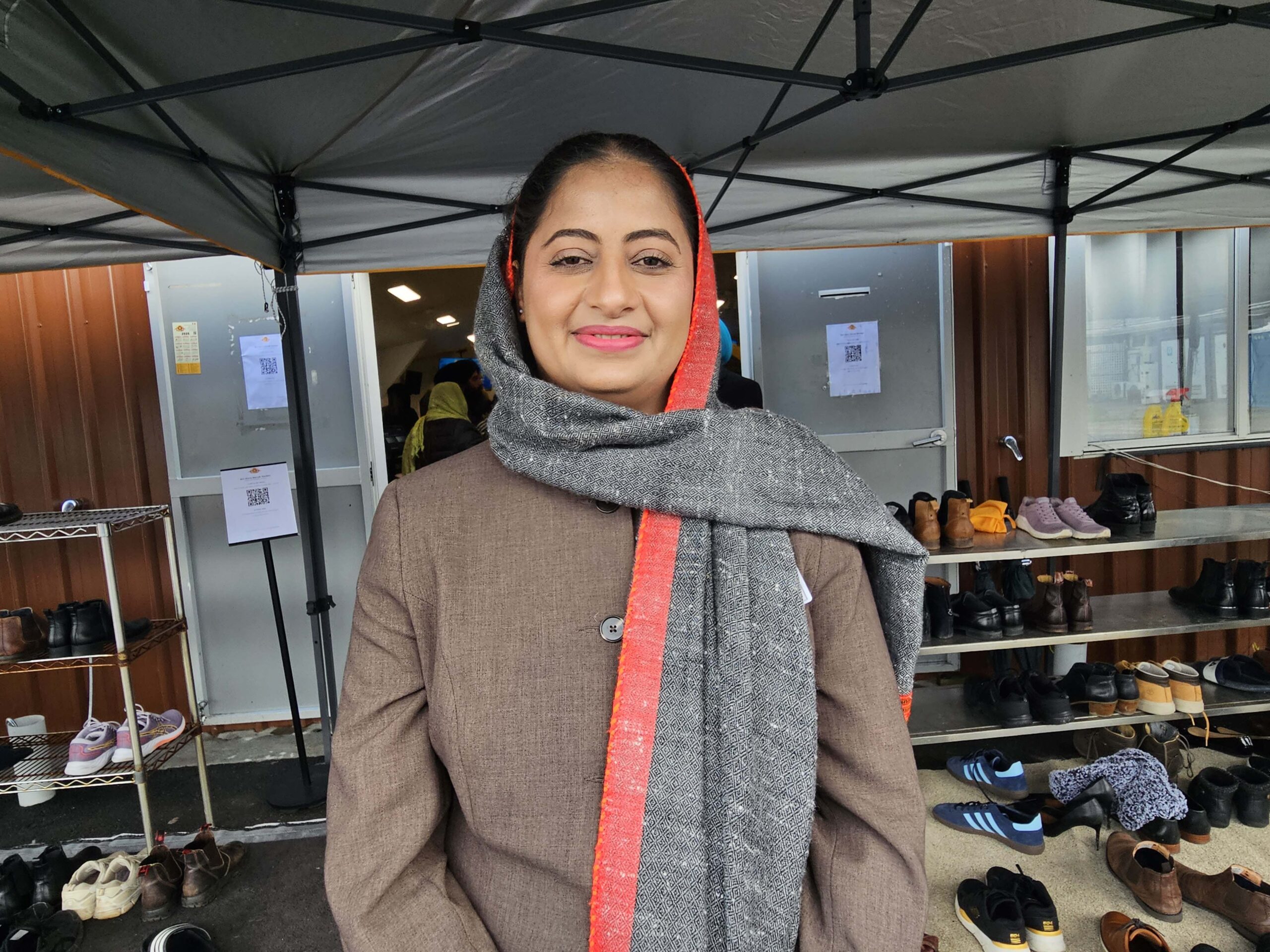
One of the most moving moments came from Sandeep Kaur, who lost her husband and father-in-law in a drowning incident at Gold Coast last year. Both men had attempted to rescue her daughter, who survived.
Kaur, now a vocal advocate for water safety, shared her journey of learning to swim and encouraged others to take the plunge.
“I stand here for my daughters,” she said. “If my story can save even one life, my husband’s spirit will be at peace.”
Grassroots programs making waves
A key focus was the “Safely Engaging with Water” initiative, a community-driven program that has already taught 226 people, about 70 percent of them women, basic swimming and water safety skills. The program operates on a 1:1:1 funding model, where costs are equally shared between participants, swim centre, and Officer Gurdwara (through community donations).
Panelists from Cardinai Life, Casey Race, Active Manningham, and Southeast Leisure shared success stories, including:
- Increased confidence among participants, many of whom had never entered a pool before.
- Families bonding over swimming, with parents now bringing their children to lessons.
- Breaking cultural barriers, especially for women who previously avoided swimming due to modesty concerns.
Challenges and innovations
Even though there has been some progress, a few challenges still remain.
One of the main challenges is low participation from men. To help change this, people suggested new ideas such as giving out swim vouchers on Father’s Day and working with men’s sports groups to encourage them to join.
Another issue is the fear of water. Experts recommended starting slowly, using gentle methods like floating exercises to help people feel more comfortable in the water.
There are also problems with funding. Community leaders and advocates said that more support is needed from both the government and businesses so these important programs can grow and reach more people.
A United Vision: zero drownings
The event ended with a brainstorming session focused on how to expand current initiatives.
Some of the ideas discussed included running multilingual social media campaigns that share real stories from people who survived water-related incidents. These stories could help raise awareness and connect with more diverse communities.
Another idea was to introduce water safety programs through schools. These programs would involve children to motivate their parents to learn swimming and families attending water safety programs together to implement these while on a holiday.
There was also a strong push to recruit more lifeguards from multicultural communities. This would help make local pools and beaches more inclusive and ensure that everyone feels represented and safe.
Harpreet Singh Kandra, the program’s founder and community leader, summed it up: “This isn’t just about swimming, it’s about saving lives. Every person we teach is a potential lifesaver.”
As the sun set on World Drowning Prevention Day, one message rang clear: Together, communities can turn the tide against drowning.
Support independent community journalism. Support The Indian Sun.

Follow The Indian Sun on X | Instagram | Facebook

Support Independent Community Journalism
Dear Reader,The Indian Sun exists for one reason: to tell stories that might otherwise go unheard.
We report on local councils, state politics, small businesses and cultural festivals. We focus on the Indian diaspora and the wider multicultural community with care, balance and accountability. We publish in print and online, send regular newsletters and produce video content. We also run media training programs to help community organisations share their own stories.
We operate independently.
Community journalism does not have the backing of large media corporations. Advertising revenue fluctuates. Platform algorithms change. Costs continue to rise. Yet the need for credible, grounded reporting in a multicultural Australia has never been greater.
When you support The Indian Sun, you support:
• Independent reporting on issues affecting migrant communities
• Coverage of local and state decisions that shape daily life
• A platform for small businesses and community groups
• Media training that builds skills within the community
• Journalism accountable to readers
We cannot cover everything, but we work to cover what matters.
If you value thoughtful reporting that reflects Australia’s diversity, we invite you to contribute. Every donation helps us maintain the quality and consistency of our work.
Please consider making a contribution today.
Thank you for your support.
The Indian Sun Team


