

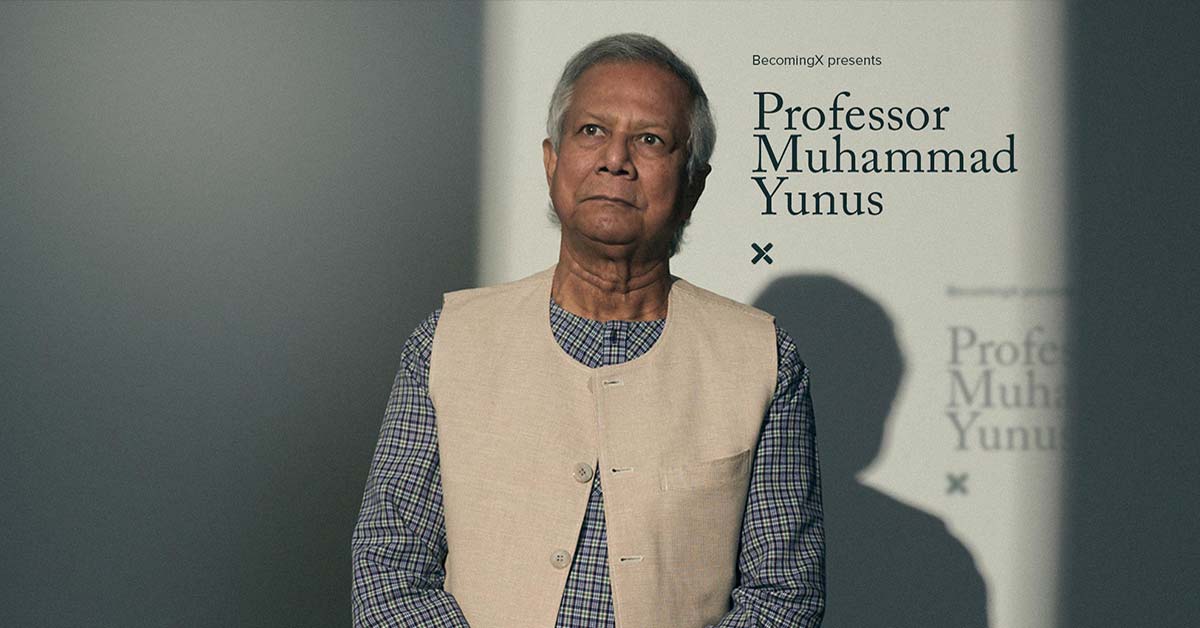
Bangladesh looks to Nobel Peace Prize winner Muhammad Yunus to steer the country through its latest period of political instability. Named the head of a new interim government on Tuesday, Yunus steps into the role following the abrupt ousting of Prime Minister Sheikh Hasina. Known globally for his groundbreaking work in microcredit and poverty alleviation, Yunus now faces the challenge of restoring stability to a nation recently torn apart by violence and economic strife.
In recent weeks, clashes between protesters and security forces have resulted in over 300 deaths, marking one of the deadliest periods in Bangladesh’s history. Although Hasina had lifted millions out of poverty through the booming garment industry, the nation’s economic growth has recently faltered, necessitating intervention from the International Monetary Fund.
Yunus, 84, renowned for founding Grameen Bank and pioneering the microcredit movement, has largely stayed away from politics throughout his career. However, his reputation and connections with Western elites bring a new dynamic to the interim government. Despite his significant achievements, Yunus has faced legal challenges, with around 200 charges levied against him and his associates. These charges, which include allegations of money laundering and graft, are viewed by many as politically motivated by Hasina’s government.
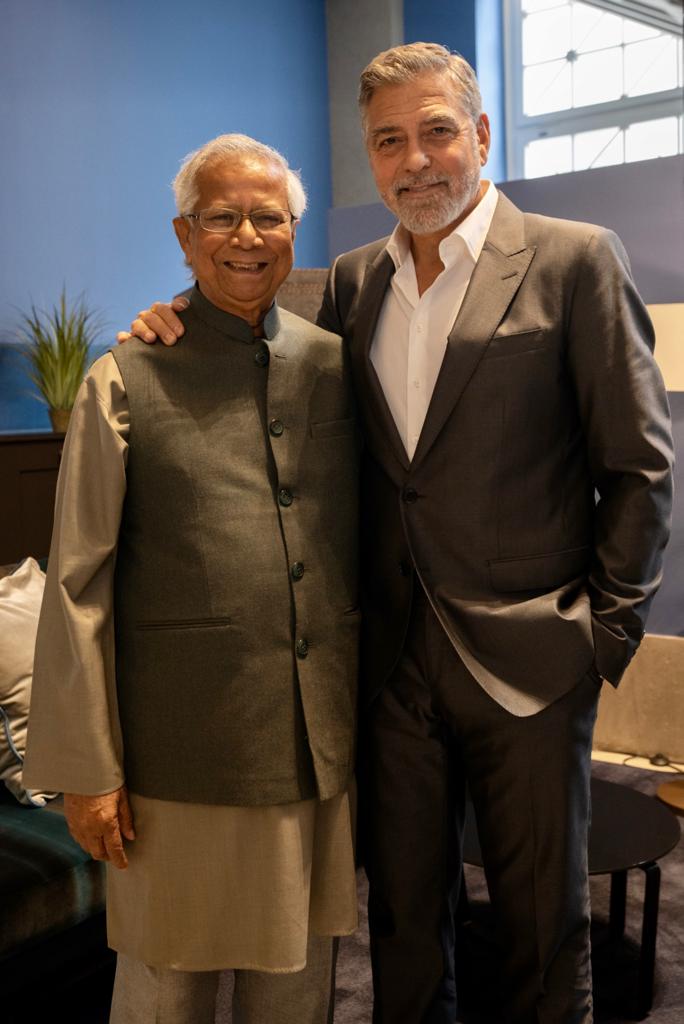
Although Yunus is revered globally, he has expressed discomfort with political life. In 2007, amid political turmoil, he briefly considered forming a new political party but quickly abandoned the idea. His aversion to politics, however, has not deterred his supporters, who range from European royals to business moguls like Richard Branson and political figures like the Clintons. They praise him for his unwavering commitment to social causes and his ability to inspire and lead.
Paul Polman, former CEO of Unilever and a close friend, described Yunus as “the voice of the people left behind,” highlighting his dedication to serving the underprivileged. This commitment has not only earned him international acclaim but also deep respect within Bangladesh. Following his Nobel win in 2006, he drew massive crowds eager to hear his message of hope and empowerment.
Yunus’s influence extends beyond his home country; his work in microcredit has had a global impact, offering millions the opportunity to improve their lives through small loans. Over the past decade, he has continued to expand his social business ventures, providing essential services like healthcare, vocational training, and telecommunications to the poorest Bangladeshis.
The military’s decision to appoint Yunus reflects his broad appeal and the hope that his leadership can guide Bangladesh through its current crisis. With a proven track record in social innovation and a global network of influential allies, Yunus’s interim leadership marks a significant moment for the nation. As Bangladesh navigates this turbulent period, Yunus’s ability to inspire and enact change will be put to the ultimate test.
Support independent community journalism. Support The Indian Sun.

Follow The Indian Sun on Twitter | Instagram | Facebook

Support Independent Community Journalism
Dear Reader,The Indian Sun exists for one reason: to tell stories that might otherwise go unheard.
We report on local councils, state politics, small businesses and cultural festivals. We focus on the Indian diaspora and the wider multicultural community with care, balance and accountability. We publish in print and online, send regular newsletters and produce video content. We also run media training programs to help community organisations share their own stories.
We operate independently.
Community journalism does not have the backing of large media corporations. Advertising revenue fluctuates. Platform algorithms change. Costs continue to rise. Yet the need for credible, grounded reporting in a multicultural Australia has never been greater.
When you support The Indian Sun, you support:
• Independent reporting on issues affecting migrant communities
• Coverage of local and state decisions that shape daily life
• A platform for small businesses and community groups
• Media training that builds skills within the community
• Journalism accountable to readers
We cannot cover everything, but we work to cover what matters.
If you value thoughtful reporting that reflects Australia’s diversity, we invite you to contribute. Every donation helps us maintain the quality and consistency of our work.
Please consider making a contribution today.
Thank you for your support.
The Indian Sun Team


