

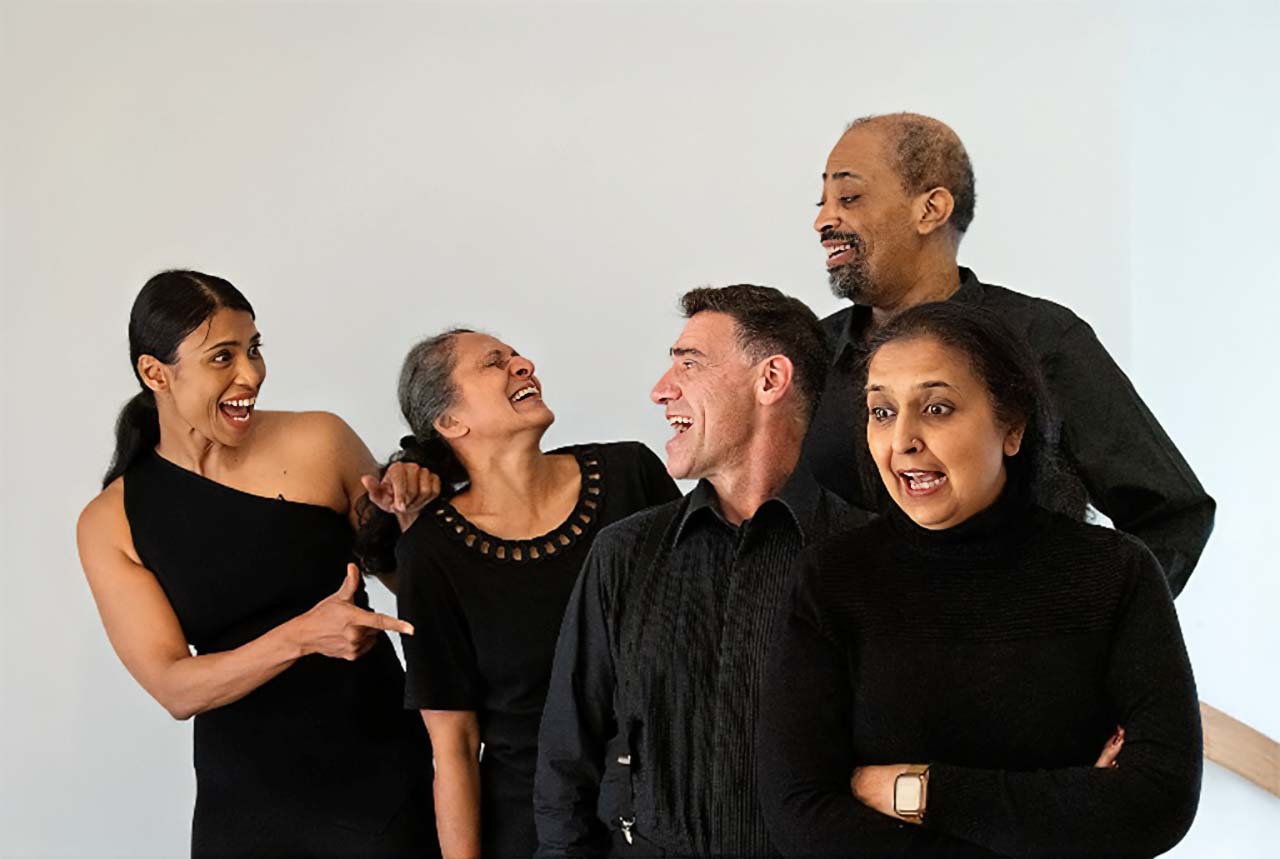
Crescendo Theatre’s English production, Let’s Have Sex, staged at The Hellenic Art Theatre, Marrickville, Sydney on 19, 20, 21, 22 June 2025, was a resounding success.
Adapted from the original work by renowned Russian playwright Valentin Krasnogorov, the play delved into the nuances of human relationships, emotional intimacy, and communication, far beyond the implications of its provocative title.
Directed with flair by Jyotsna Sharma of Crescendo Theatre, the four-show run captivated audiences with sharp dialogue, clever staging, and not a single dull moment.
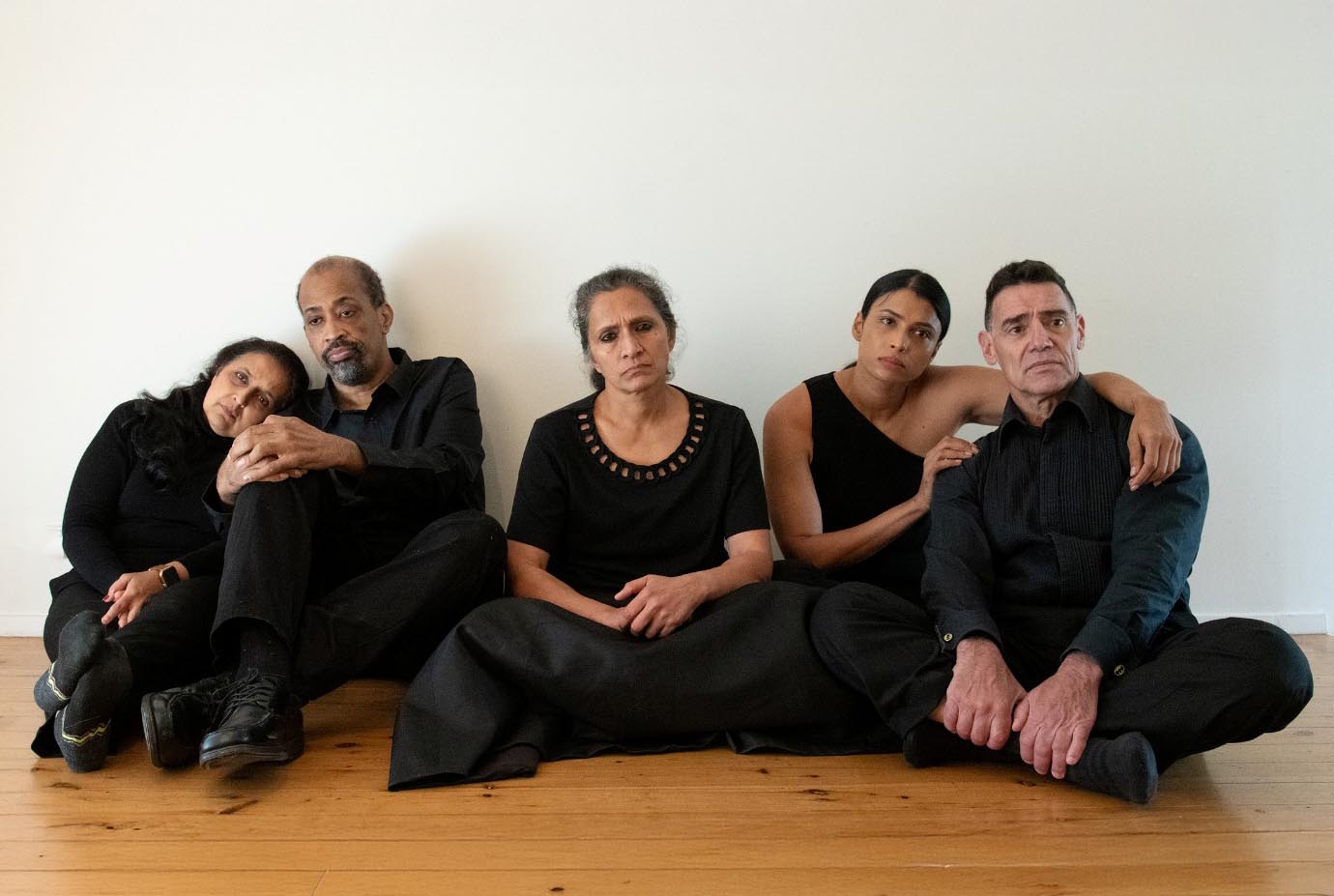
The play featured five distinct characters—Wife, Husband, Professor, Girl, and Sister—brought to life with impressive professionalism by a talented cast: Aparna Tijoriwala as the Wife, Manny Katts as the Husband, Haki Pepo Olu Crisden as the Professor, Aishware Shetty as the Girl, and Poornima Menon as the Sister.
From the moment the Wife bursts onto the stage yelling, Let’s Have Sex at the Husband, until the curtains fell, the air was charged with sexual tension.
The Husband was an emotionally reserved and intellectually evasive partner who struggled to respond naturally to his wife’s direct request for intimacy. His discomfort led him to overthink and sidestep the topic with humorous, pseudo-intellectual excuses, highlighting the miscommunication and emotional distance common in modern relationships. He embodied the play’s satire on vulnerability and connection.
The Wife was a straightforward, emotionally honest character who openly expressed her desire for intimacy and connection. She challenged the emotional distance and avoidance in her relationship by confronting her husband directly, driving the play’s exploration of communication and vulnerability. Her role highlighted the frustration and longing for true connection in a fast-paced world caught up in the rat race and daily grind.
The Professor served as a cynical and often humorous commentator on human relationships and sexuality. He provided a more detached, intellectual perspective, sometimes mocking the characters’ emotional struggles while reflecting on the absurdities and complexities of love, desire, and communication. His role added depth and satire to the play’s exploration of intimacy and human behavior.
The Girl sexed it up with her youthful honesty and straightforwardness about physical intimacy. She challenged the more complicated emotional barriers of the older characters by emphasizing the simplicity and power of physical connection. Her role offered a fresh, candid take on sex and relationships, playfully flirting with the idea of being a nymphomaniac, which drew shy giggles from the audience.
The Sister presented a moral or contrasting figure, embodying traditional values or religious perspectives that highlight the tension between societal expectations and personal desires. Her presence added an extra layer of irony or conflict, emphasizing the play’s themes of emotional repression and the complexities of intimacy within cultural or ethical boundaries.
Towards the end of the play, the characters appeared as if they might be either escapees from a mental asylum or its residents—highlighting the mental gymnastics they go through to overcome the obstacles preventing them from actually having sex!
The show has succeeded in moving the taboo topic of sex out of the bedroom and into the family lounge for open conversation. Bring this topic up at your next social gathering!
For those of you who are itching to know but hesitating to ask; there was no actual sex act performed on stage. That part was left to the audience, after the show. LOL!
Support independent community journalism. Support The Indian Sun.

Follow The Indian Sun on X | Instagram | Facebook

Support Independent Community Journalism
Dear Reader,The Indian Sun exists for one reason: to tell stories that might otherwise go unheard.
We report on local councils, state politics, small businesses and cultural festivals. We focus on the Indian diaspora and the wider multicultural community with care, balance and accountability. We publish in print and online, send regular newsletters and produce video content. We also run media training programs to help community organisations share their own stories.
We operate independently.
Community journalism does not have the backing of large media corporations. Advertising revenue fluctuates. Platform algorithms change. Costs continue to rise. Yet the need for credible, grounded reporting in a multicultural Australia has never been greater.
When you support The Indian Sun, you support:
• Independent reporting on issues affecting migrant communities
• Coverage of local and state decisions that shape daily life
• A platform for small businesses and community groups
• Media training that builds skills within the community
• Journalism accountable to readers
We cannot cover everything, but we work to cover what matters.
If you value thoughtful reporting that reflects Australia’s diversity, we invite you to contribute. Every donation helps us maintain the quality and consistency of our work.
Please consider making a contribution today.
Thank you for your support.
The Indian Sun Team


