

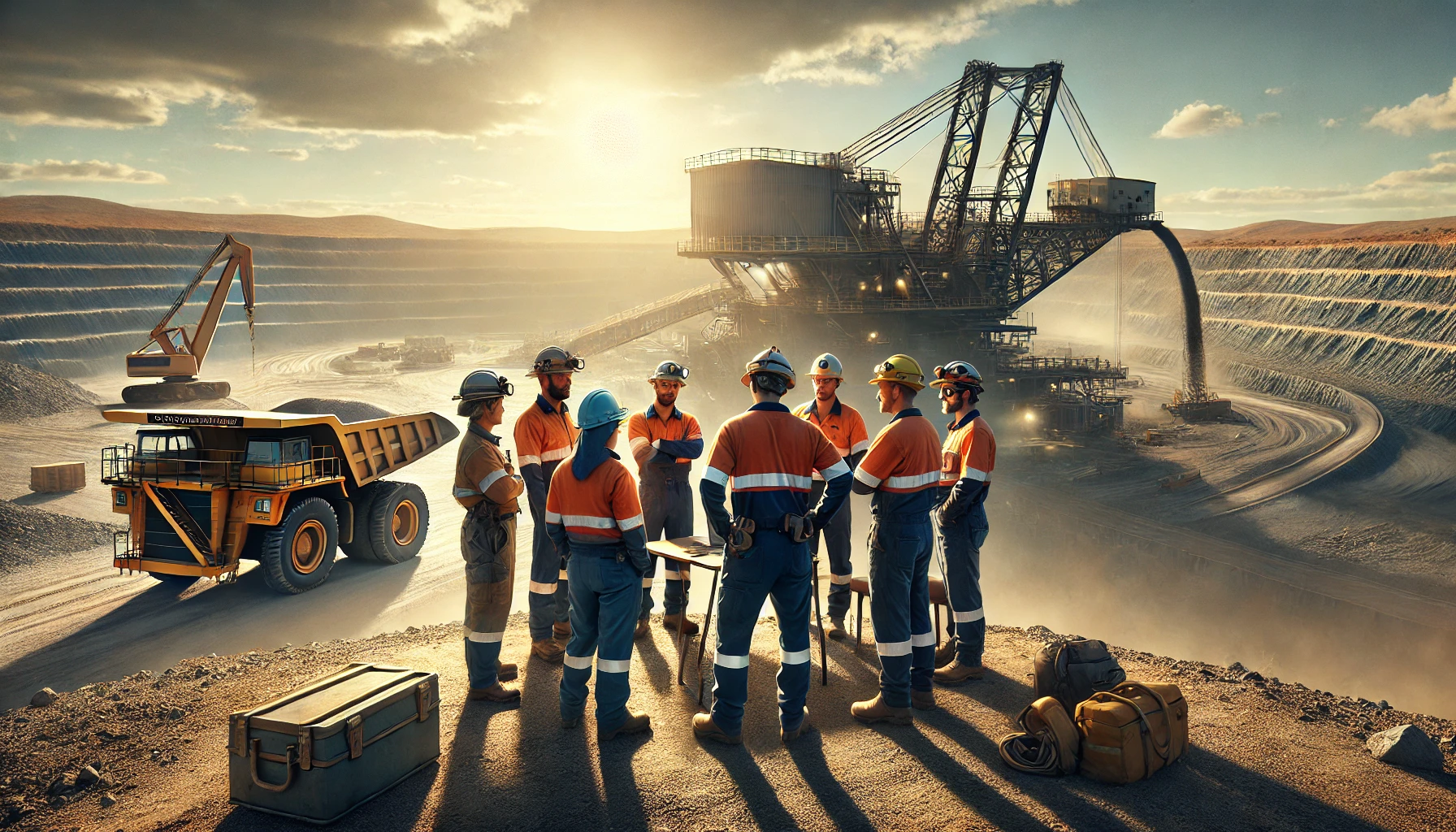
The mining sector in Western Australia is stepping up its focus on mental health, workplace culture, and safety through the Mental Awareness, Respect and Safety (MARS) Program. With the latest round of PhD Scholarships from the Minerals Research Institute of Western Australia (MRIWA), four outstanding students are set to lead research efforts aimed at tackling some of the industry’s most pressing challenges.
Mining is often associated with tough physical labour, isolation, and high-pressure environments, making mental health a critical concern. The MARS Program PhD Scholarships provide a platform for research that addresses these issues, supporting projects that explore ways to foster safer and more supportive workplaces. The latest recipients are bringing fresh perspectives to longstanding concerns, each tackling a different facet of workplace well-being and safety.
At Edith Cowan University, Roger James is investigating how psychological capital can enhance psychological safety in the mining sector. Psychological capital, which includes confidence, resilience, optimism, and hope, plays a crucial role in workplace dynamics. By identifying ways to cultivate these traits among workers, this research aims to create environments where employees feel secure, valued, and able to perform at their best. Psychological safety is not just about reducing harm but also about fostering trust and open communication, essential components of a healthy workplace.
Another important research initiative at Edith Cowan University is being led by Benjamin Walsh, who is examining occupational hygiene dust sampling devices. Exposure to dust in mining operations is a longstanding occupational hazard, and accurate sampling is essential for effective risk management. Walsh’s study seeks to assess the suitability of various dust sampling devices for Australian mining conditions, ensuring that workers’ health is better protected through improved monitoring and exposure assessment.
Nousheen Fatima, also at Edith Cowan University, is focusing on the impact of psychosocial risk factors on workforce sustainability and employee behaviour. The demanding nature of mining work, combined with the pressures of remote locations, shift patterns, and job insecurity, can contribute to significant mental health challenges. This research will provide insights into the factors that influence worker retention, engagement, and overall well-being, ultimately shaping policies and practices that prioritise mental health and job satisfaction.
At the University of Western Australia, Patrick Benetti is delving into the power of storytelling in workplace safety. Leadership plays a crucial role in shaping safety culture, and Benetti’s research aims to understand how leaders construct and communicate safety messages effectively. The study will explore the impact of storytelling on safety outcomes, offering new ways to engage workers and reinforce safety protocols in an industry where clear communication can make all the difference.
Mines and Petroleum Minister David Michael has highlighted the significance of these scholarships in strengthening Western Australia’s position as a global leader in mining safety and mental health research. He emphasised that this research would not only drive innovation but also contribute to a more sustainable workforce. By supporting the next generation of researchers, the Western Australian Government is reaffirming its commitment to workplace safety and mental health in the mining sector.
Training and Workforce Development Minister Simone McGurk has also underscored the progress made in addressing health and well-being in the mining industry. While acknowledging the strides taken, she pointed out that there is still work to be done. These scholarships, she noted, will play a key role in advancing mental health initiatives and ensuring that worker well-being remains a top priority. The research supported by this program is set to inform policies and practices that promote safer, more inclusive workplaces across the industry.
The importance of mental health in the mining sector cannot be overstated. Historically, conversations around workplace safety have often centred on physical hazards, but there is growing recognition that psychological safety is just as crucial. Workers who feel supported and secure in their roles are more likely to be productive, engaged, and committed to their jobs. Initiatives like the MARS Program are instrumental in shifting industry standards and ensuring that mental health is given the attention it deserves.
The research being undertaken by these PhD candidates will not only benefit the mining sector but also serve as a model for other industries facing similar challenges. Psychological safety, occupational health monitoring, workforce sustainability, and effective leadership communication are all critical factors in creating safer workplaces. The insights gained from these studies could lead to policy changes and practical interventions that enhance worker well-being on a broader scale.
As Western Australia continues to invest in minerals research, the impact of these scholarships is likely to extend far beyond the academic sphere. The findings from these projects will have real-world applications, informing industry best practices and shaping the future of workplace safety. By prioritising mental health and well-being, the mining sector is taking significant steps towards fostering a culture of respect, support, and long-term sustainability.
Support independent community journalism. Support The Indian Sun.

Follow The Indian Sun on X | Instagram | Facebook

Support Independent Community Journalism
Dear Reader,The Indian Sun exists for one reason: to tell stories that might otherwise go unheard.
We report on local councils, state politics, small businesses and cultural festivals. We focus on the Indian diaspora and the wider multicultural community with care, balance and accountability. We publish in print and online, send regular newsletters and produce video content. We also run media training programs to help community organisations share their own stories.
We operate independently.
Community journalism does not have the backing of large media corporations. Advertising revenue fluctuates. Platform algorithms change. Costs continue to rise. Yet the need for credible, grounded reporting in a multicultural Australia has never been greater.
When you support The Indian Sun, you support:
• Independent reporting on issues affecting migrant communities
• Coverage of local and state decisions that shape daily life
• A platform for small businesses and community groups
• Media training that builds skills within the community
• Journalism accountable to readers
We cannot cover everything, but we work to cover what matters.
If you value thoughtful reporting that reflects Australia’s diversity, we invite you to contribute. Every donation helps us maintain the quality and consistency of our work.
Please consider making a contribution today.
Thank you for your support.
The Indian Sun Team


