

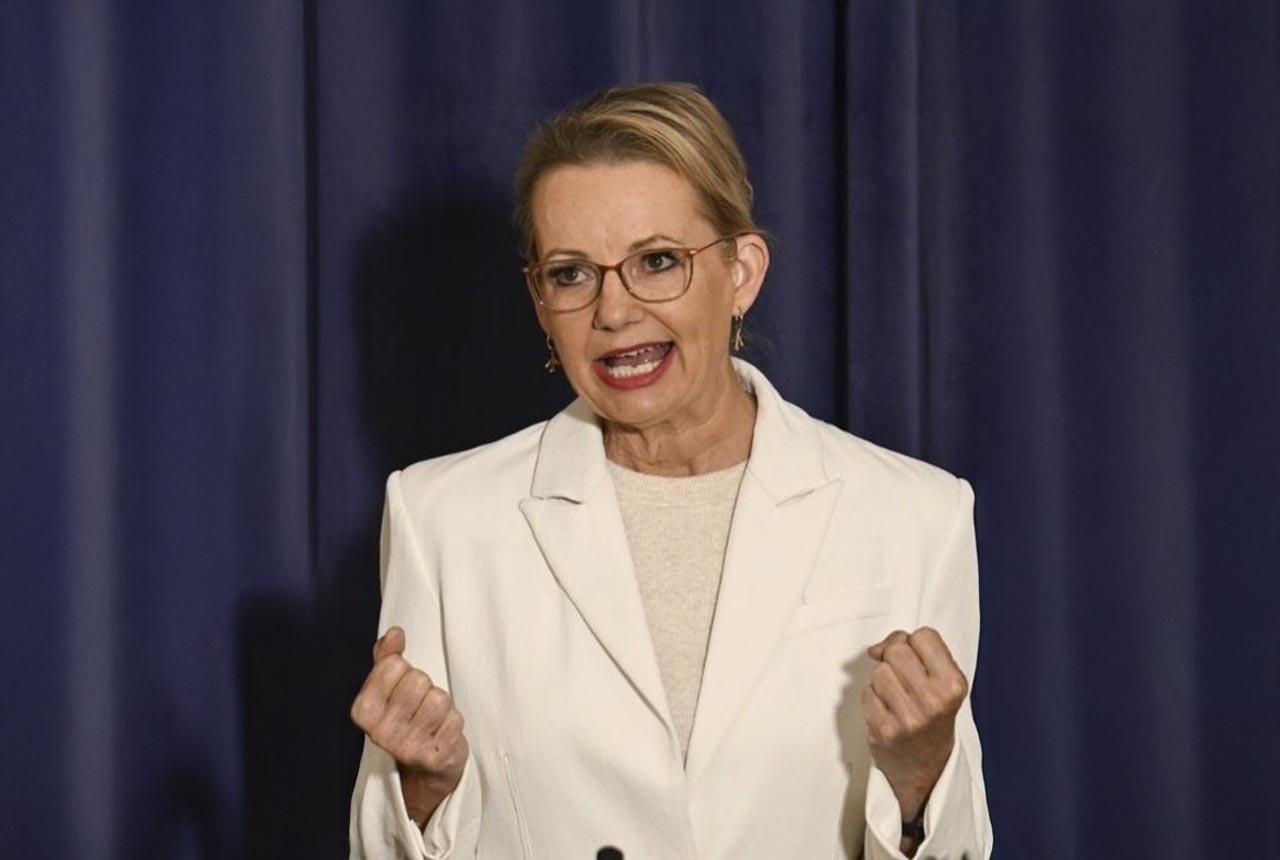
The Liberal Party of Australia has formally discarded its commitment to reaching net zero emissions by 2050, while signalling that a carbon-neutral future remains a “welcome outcome”. In a shadow ministry meeting following a near five-hour party room debate on 12 November 2025, the party agreed to remain in the Paris Agreement, adopt interim climate targets when in government and pursue a technology-neutral approach emphasising affordable, reliable energy rather than mandating a hard net zero goal.
The decision emerged after a sharper divide than the public often sees. At the party room meeting, 28 speakers backed scrapping the 2050 net zero target outright, 17 supported retaining it in some form, and four remained undecided. Conservatives within the party, including Angus Taylor, Andrew Hastie and senior figures aligned with them, pushed for the change; moderates such as Andrew Bragg and Julian Leeser opposed it, warning of electoral risk.
In announcing the shift, Shadow Energy Minister Dan Tehan framed the policy around two core principles: ensuring “a stable and reliable energy grid with affordable power for households and business” and reducing emissions in a way that “ensures Australia does its fair share”.
Prime Minister Anthony Albanese responded by accusing the opposition of undermining Australia’s global credibility. At a press conference he said: “And that message was surely received, not so much by the party room, because that’s a matter for them, their clown show that they’ve become. It was a sign for the Australian people of how divided they are.”
The implications cut across politics, climate policy and the economy. By stepping away from a legislated 2050 target, the Liberals opened the door to a looser framework of emissions reduction, seeking to rely on technology change rather than regulation or taxes to drive action. Analysts warn this may weaken policy certainty for business and investment in renewable industries.
For voters, the shift raises questions about how the party balances regional and urban concerns. The conservatives argue many voters see net zero as a burden on cost-of-living and energy. Moderates counter that younger and urban electorates see strong climate credentials as increasingly vital. Internal polling presented to the party director showed many Australians equate net zero with taking meaningful action on climate change.
Some experts say it weakens Australia’s negotiating hand in climate diplomacy. Domestically, it signals a new era for the Liberal Party’s policy on energy and emissions, one where the formal target is dropped yet a qualitative aspiration remains.
The turn was welcomed by Queensland Senator, Malcolm Roberts, from One Nation, who said: ‘Time to put Australia FIRST,’ and reiterated his party’s long-held opposition to net zero.
Support independent community journalism. Support The Indian Sun.

Follow The Indian Sun on X | Instagram | Facebook

Support Independent Community Journalism
Dear Reader,The Indian Sun exists for one reason: to tell stories that might otherwise go unheard.
We report on local councils, state politics, small businesses and cultural festivals. We focus on the Indian diaspora and the wider multicultural community with care, balance and accountability. We publish in print and online, send regular newsletters and produce video content. We also run media training programs to help community organisations share their own stories.
We operate independently.
Community journalism does not have the backing of large media corporations. Advertising revenue fluctuates. Platform algorithms change. Costs continue to rise. Yet the need for credible, grounded reporting in a multicultural Australia has never been greater.
When you support The Indian Sun, you support:
• Independent reporting on issues affecting migrant communities
• Coverage of local and state decisions that shape daily life
• A platform for small businesses and community groups
• Media training that builds skills within the community
• Journalism accountable to readers
We cannot cover everything, but we work to cover what matters.
If you value thoughtful reporting that reflects Australia’s diversity, we invite you to contribute. Every donation helps us maintain the quality and consistency of our work.
Please consider making a contribution today.
Thank you for your support.
The Indian Sun Team


