


ASF in wild boar gone for more than one year
Domestic herd always remained ASF-free
BRUSSELS, Dec. 23, 2020 /PRNewswire/ — On December 21st 2020, the World Organisation of Animal Health (OIE) confirmed the ASF-free status in all suidae of Belgium, which had been removed since September 2018 due to the outbreak of ASF in the wild boar population.
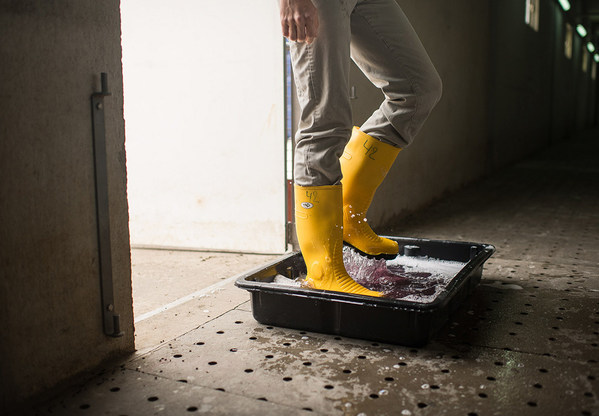
It is a relief to the Belgian pork suppliers that the OIE has published Belgium’s ASF-free status.
Prior to the OIE publication, Belgium’s FASFC (Federal Agency for the Safety of the Food Chain) provided the OIE with all necessary data which proved that Belgium has been ASF-free for more than one year: a necessary condition to claiming the status of being ASF-free.
Throughout this entire period, Belgium was successful in keeping its domestic herd of pigs ASF-free.
Decisive and consistent actions have led to the eradication of ASF in the wild boar population
From the start of the outbreak in September 2018, Belgium’s strategy was to eradicate ASF (African Swine Fever) in the wild boar population. A wide variety of measures and actions were taken. Fencing, forests closed to the public, intensive search and destroy programme, hunting and trapping—all proved to be key success factors in achieving this goal.
In just one year, no new positive cases were detected. In total 5,422 wild boar were examined for ASF, of which 833 were confirmed positive for ASF. The last positive case confirmed on a fresh wild boar carcass dates from 11 August 2019.
Most important: domestic herd was kept safe and ASF-free at all times
Belgium is one of Europe’s key pork producers, exporting more than two-thirds of its pork production. To protect this important sector, it was crucial to prevent the disease from infecting the domestic herd.
On top of the comprehensive bio-security rules that were already in place, extra measures were implemented. This means, amongst other things, that every sick pig must be tested for ASF, regardless of the symptoms. To date, the number of samplings, all negative, amounts to more than 22,000—and still counting.
Via continuous monitoring and control, alertness remains high
Despite the regained ASF-free status, Belgium will keep monitoring for animal diseases in the future, both in the domestic herd as well as in the wild population. The surveillance and control measures remain in force for the time being.
European law had already reinstated Belgium’s ASF-free status
The OIE publication follows the decision by the European Commission on 20 November 2020 to abolish the regulated zones that were put in place after the outbreak of the virus in wild boar.
Belgian pork will soon be available again, worldwide
Over the last few decades, Belgium has exported pork to more than 70 countries. As Belgium communicates transparently with its trading partners around the world, importing countries will soon be provided with all information necessary to allow trade to resume.
“It is a relief to the Belgian pork suppliers that the OIE has published Belgium’s ASF-free status. Importing countries will be provided with all information necessary so that they can lift ASF-related restrictions. Excellent news for importers!”
Contact your Belgian pork supplier
Full information about Belgian pork can be found on:
europeanpork.eu
artofmeat.eu
belgianmeat.com
Or contact Belgian Meat Office:
Press Contact
Joris Coenen, Manager Belgian Meat Office | +32 476 945 486 | joris.coenen@vlam.be
About Belgian Meat Office
Belgian Meat Office coordinates pork and beef export activities. The meat export agency was founded in 2003 under the Flanders’ Agricultural Marketing Board (VLAM) umbrella. |www.europeanpork.eu
Photo – https://mma.prnasia.com/media2/1390928/vlam_belgian_pork_1.jpg?p=medium600
Photo – https://mma.prnasia.com/media2/1390929/vlam_belgian_pork_2.jpg?p=medium600
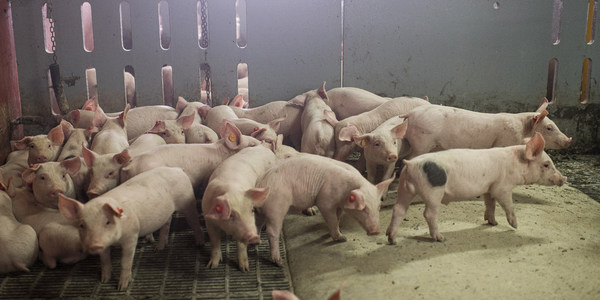
It is a relief to the Belgian pork suppliers that the OIE has published Belgium’s ASF-free status.
Donate To The Indian Sun
Dear Reader,The Indian Sun is an independent organisation committed to community journalism. We have, through the years, been able to reach a wide audience especially with the growth of social media, where we also have a strong presence. With platforms such as YouTube videos, we have been able to engage in different forms of storytelling. However, the past few years, like many media organisations around the world, it has not been an easy path. We have a greater challenge. We believe community journalism is very important for a multicultural country like Australia. We’re not able to do everything, but we aim for some of the most interesting stories and journalism of quality. We call upon readers like you to support us and make any contribution. Do make a DONATION NOW so we can continue with the volume and quality journalism that we are able to practice.
Thank you for your support.
Best wishes,
Team The Indian Sun


